How to Create A Daily Plan of Action Each Morning

Looking for ways to use your morning hours more wisely and with a sense of purpose? Try creating a plan of action to provide yourself with a clear objective for the day and a reference point for everything you want to get done.
Disclosure: This post may contain affiliate links. I earn a commission from qualifying purchases at no cost to you. For more info, see my disclosure statement.
What is a Daily Plan of Action?
At first, a plan of action may seem like a glorified to-do list but in reality it’s the process of making your plan of action that will help you to find calm in the chaos of everyday demands.
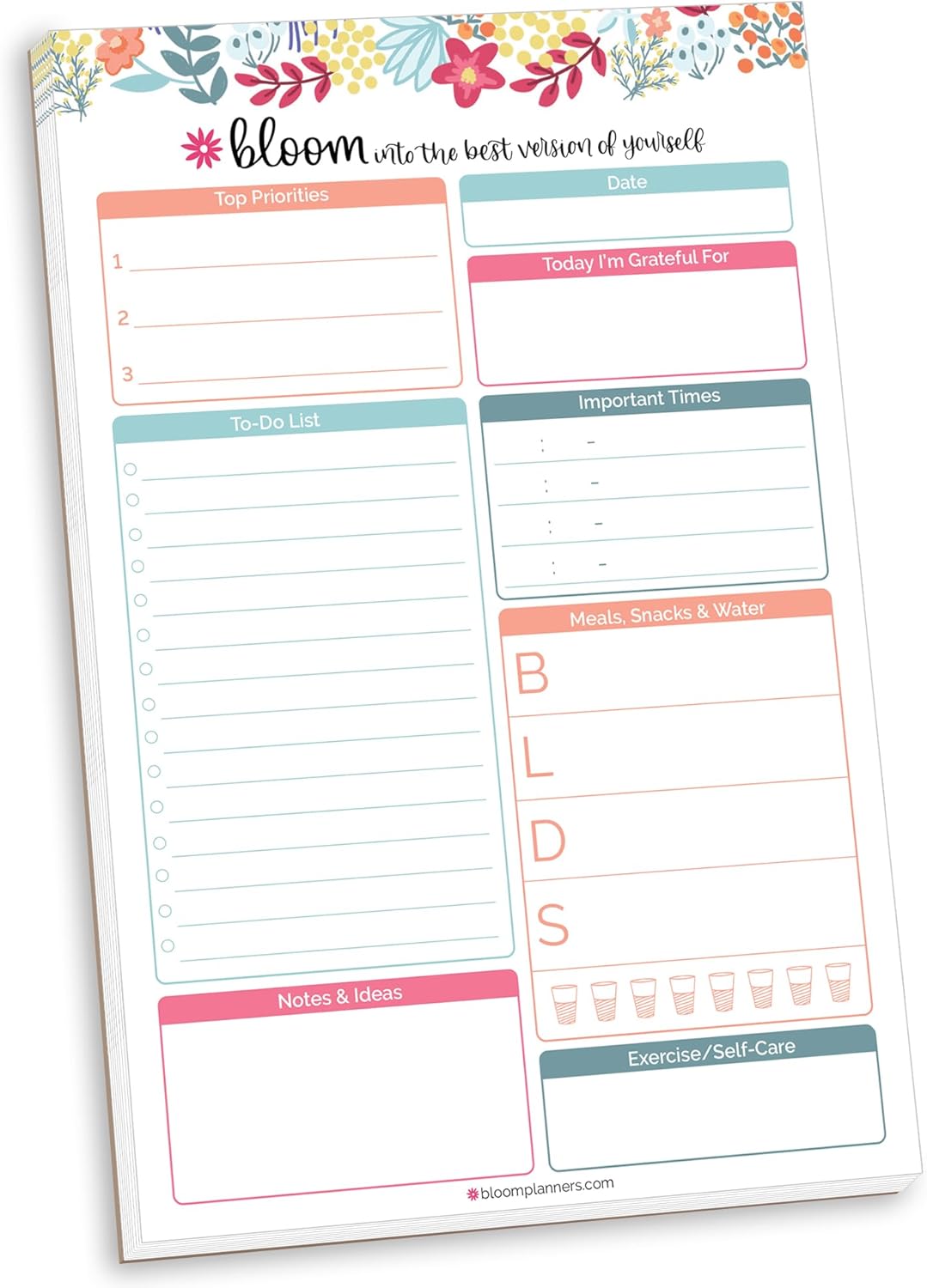
A plan of action in this case is a list of tasks you want to complete for the day, prioritized from most important to least with information about when you want them to be accomplished and what resources or tools you’ll need to get the job done for each task.
Benefits of Creating a Plan of Action in the Morning
Creating a roadmap for how you want the day to go gives you clear direction so you can jump straight into action rather than waiting to build up the motivation to do something or have to jump through decision-making hurdles right when you wake up.
You could even start or complete it the night before to wake up ready to take action without any hesitation. Over time, creating a reliable system that helps you tackle your day-to-day tasks will help eliminate procrastination and burnout from your mornings.
How to Create A Daily Plan of Action
The results greatly outweigh the effort and time spent to create a daily action plan. Keep reading below to see how you can easily make this a daily habit to increase productivity and be more consistent with accomplishing daily tasks.
Step One: Make A Detailed List of All Your Tasks
Take out a pen and paper or start a new note on your phone and list every task you think you’ll need to get done that day. Start by writing down anything that comes to mind without checking your phone.
Next, check your phone for any urgent notifications or unexpected events that require action on your part. Finally, double check your e-mails and calendar for tasks with hard deadlines such as appointments and meetings.
If you feel like some important things got left off the list then you can do a brain dump of all the tasks you may have forgotten or ones that have been in the back of your mind for a long time.
Listing every task helps you to be more organized and makes space for new information as things get added to your to-do list throughout the day.
Step Two: Prioritize Tasks
Start by listing the top three tasks that you absolutely must finish or want to complete for the day. Next go through the rest of your task list and see what else can be done for the day and what needs to be put off.
Make note of any tasks that are dependent on other tasks or other people because you’ll have to plan appropriately for these.
Note: Break down larger tasks into smaller steps that cover everything you need to do to complete it.
Sorting through each task ensures that the important tasks don’t get forgotten and you don’t fall into the trap of doing busy work that will drain your energy and make you feel frazzled later.
Step 3: Time Block
Once everything is sorted from highest to least priority, you can go through the list one by one and estimate how much time it will take to complete each task. Use those time estimates to create a time-blocked schedule around any meetings and appointments.
Keep in mind when your are usually at your highest energy levels during the day so you can block out that time to do the most arduous tasks.
You can also schedule break times to ensure proper rest, a more flexible schedule and less chance of burnout.
Time-blocking your daily schedule means you know exactly what you should be doing at all times and can work more efficiently.
Step 4: Allocate Resources
After the planning is complete, you can start preparation. For any tasks that require multiple steps or are dependent on someone or something else, you may need additional resources to accomplish them.
This is the time where you can gather resources and materials that you know you’ll need later. This might include drafting e-mails, setting out supplies, gathering reference materials: phone numbers, addresses, photos, recipes, etc. and other prep work.
Preparing in advance for getting things done later supports a smooth process, minimizing disruptions, and helps you to concentrate better.
Step 5: Final Review
Look over your task list and schedule to double check that you didn’t leave out any important tasks. The final check is to make sure your schedule is realistic for your energy levels and resources and provides you with enough flexibility for unexpected situations.
It may take time practicing time-blocking and making a daily plan of action a habit to get familiar with what works best for you. Once you are confident about what you can handle each day you’ll be able to plan better and make adjustments as needed when your plate is too full.
Make a Plan of Action When You Wake Up to be Productive Every Day
A plan of action can be used to organize and manage your daily tasks. It’s an effective way to use your time wisely, take control over your schedule, and wake up feeling confident instead of stressed.
If you’re constantly overwhelmed and feel like you could use a little more direction to get everything done, spend some time each morning to create a daily plan of action.
Making this habit a consistent part of your mornings or daily routine can help you build momentum to spark more positive changes in your life.
Share This Post